
Discovery
Begins with
Creativity.
At Michigan State University, the arts are powerful research resources that strengthen scholarship across disciplines. The arts are your primary sources, your creative laboratory, and your partner in inquiry. Galleries and stages become spaces to test and express ideas, prototype concepts, interpret data, and engage the public in dialogue around the most important issues of our time.
By integrating the arts, researchers at MSU advance innovation, deepen public outreach, and demonstrate that creativity is essential to discovery.
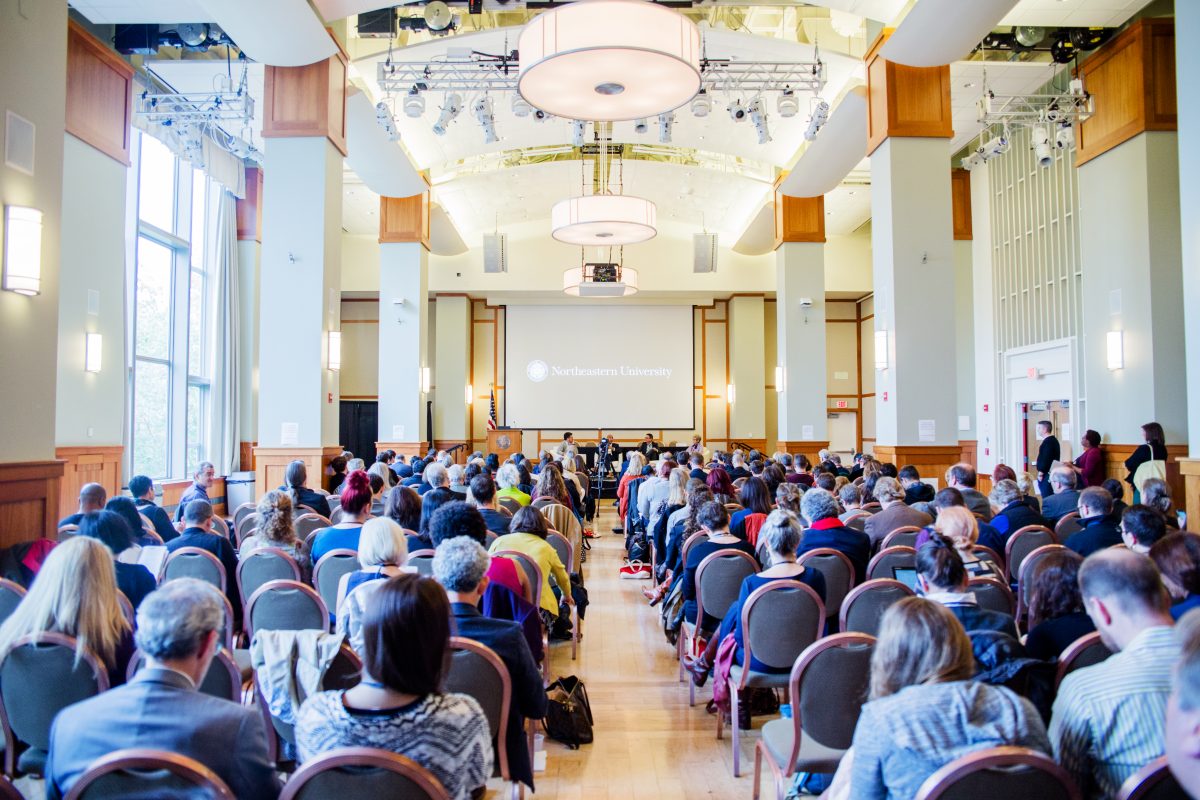
a2ru is an organization that builds community and drives transformative culture change for the arts and arts integration in higher education. As a partner institution of a2ru, MSU offers opportunities for educators, staff and students to participate in a2ru’s events and programs.
Learn More about ar2u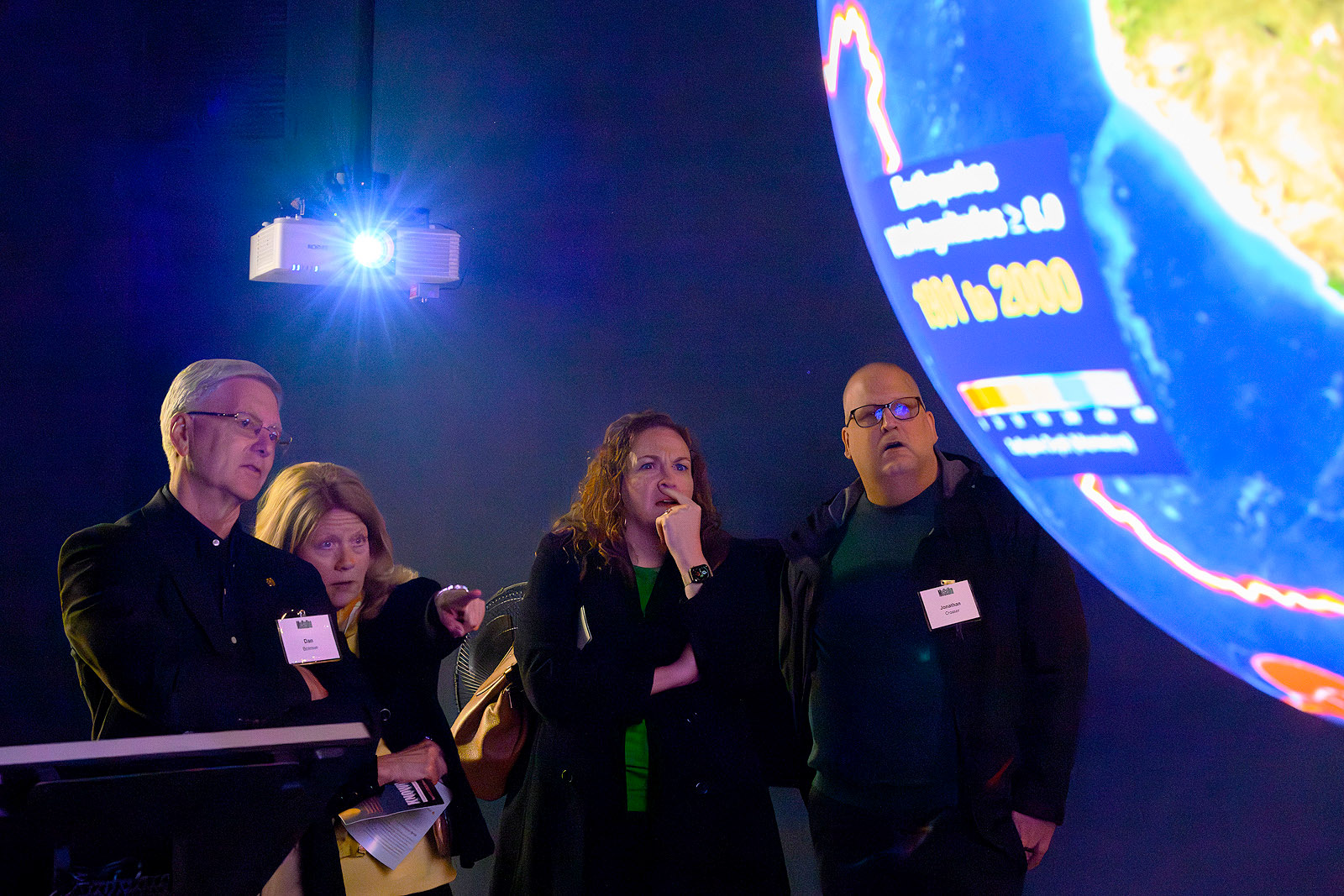
Science on a Sphere at the MSU Museum offers exciting opportunities for innovative teaching, research, and artistic creation! Developed by scientists in the National Oceanographic and Atmospheric Administration (NOAA), Science on a Sphere allows for the animated visualization of complex datasets in three dimensions, projected on a rotating globe.
Discover Science on a Sphere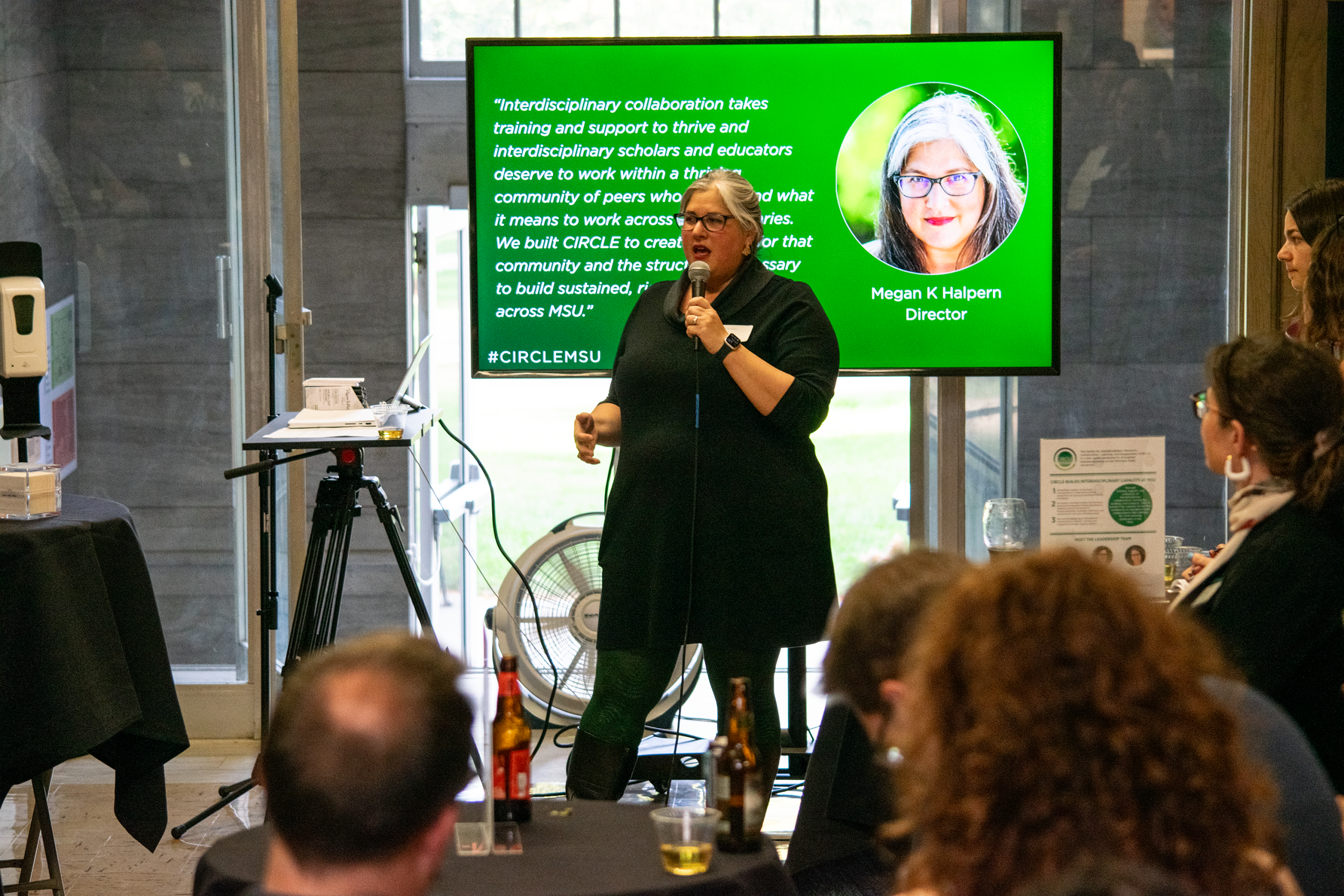
The Center for Interdisciplinary Research, Collaboration, Learning, and Engagement (CIRCLE) is a locus for interdisciplinarity at MSU. The center launched in the fall of 2023 to build community, provide training and support for interdisciplinary activities, and conduct research on interdisciplinarity.
Learn More about CircleBeal Botanical Garden is an outdoor laboratory and classroom for the study of plant biology, biodiversity, sustainability, and conservation, and can support your research in a multitude of ways. They can provide plant material for research projects, assist you in locating plant material from other sources, facilitate permit requests for plant material or for performing research across the MSU Campus and Campus Natural Areas, and support undergraduate researchers in the Beal Scholars Program. In some cases, they can also highlight your research in the garden or in their outreach and education programs.
The MSU Broad Art Museum’s collection of over 10,000 works represents an inclusive array of artistic productions from the ancient to the present. This living collection continues to grow and diversify, with an emphasis on collecting the art of our time, and has been used for undergraduate, graduate, and faculty research alike. The museum has curated sections of the collection to address key topical themes and research areas, but you can also create a My Collections account to save works of interest for your research in the database.
The MSU Museum actively champions faculty success by nurturing research collaborations, fortifying teaching and learning endeavors, facilitating professional advancement, and offering opportunities for exhibitions and programming that effectively communicate research to wider audiences. Researchers can access the MSU Museum’s collections databases online.
Materials in MSU’s Stephen O. Murray and Keelung Hong Special Collections, and Turfgrass Information Center are open to all researchers, regardless of academic affiliation or place of residence. All materials must be used within the Reading Room. You can submit your materials request at least three days in advance of your planned visit.
Michigan State University’s campus is adorned with over 20,000 trees, some hundreds of years old and some planted each year. Beal Botanical Garden also manages the campus arboretum. Every tree on campus is databased and mapped, each pruning and planting carefully logged, and each tree is nurtured and cherished. The result is a remarkably diverse collection of trees from all over the world that is among the world’s best scientific and teaching collections of trees. The database is available for any researcher to use.
