
Across Michigan State University’s campus, you can see tiles from one of the oldest operating pottery studios in the country and one that is special to Michigan.
Pewabic and MSU have a long-standing relationship dating back 100 years. Today, you can catch Pewabic tiles and pottery in various places including on fireplaces in the MSU Union and its signature blue glaze on the Sculpture of “Children Reading and Fish Water Spout” at the north entrance of Williams Hall.
Pewabic has a strong dedication to education and passing down the art of pottery, according to its website. Co-founder Mary Chase Perry Stratton founded multiple ceramics education programs at colleges and universities.
Pewabic specializes in handcrafted pottery and tiles and has been operating since 1903 when founded by Stratton and Horace Caulkins in Detroit. Throughout the years, Pewabic has created various tiles to celebrate MSU, including ornaments and tiles with the Spartan helmet.
Below are some of the art pieces displayed and where you can find them across campus.
All photos by Derrick L. Turner.
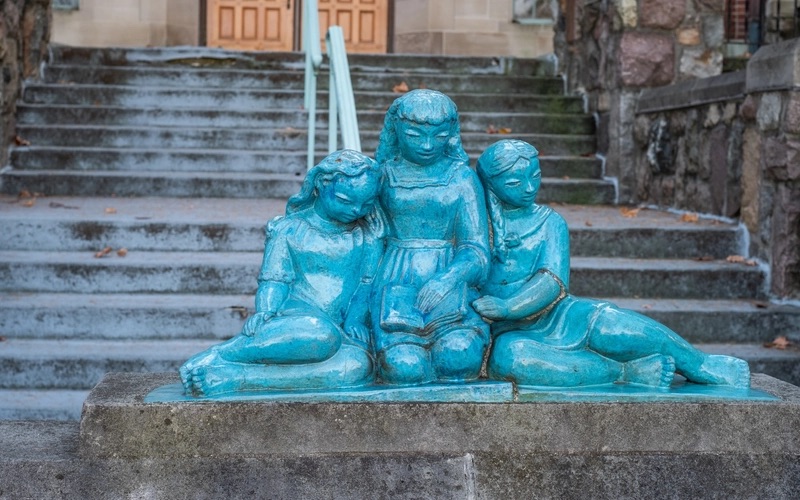
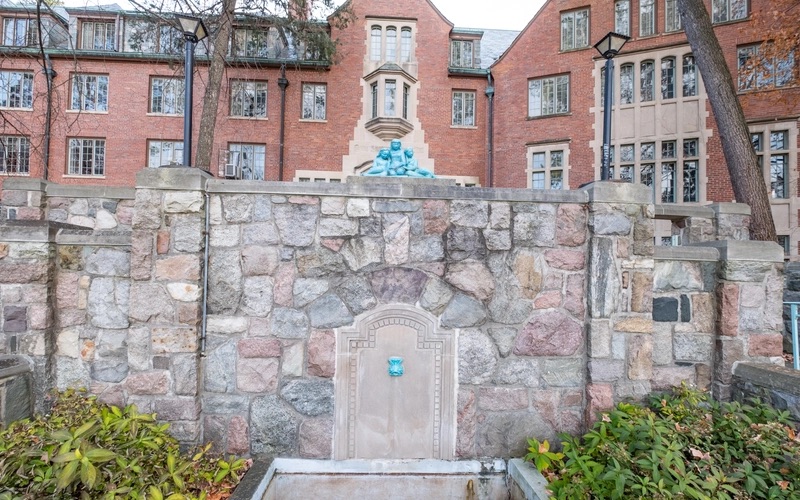
Pewabic’s signature K4 blue glaze was used on “Sculpture of Children Reading and Fish Waterspout,” which can be found at the Williams Hall north entrance. The sculpture was created by Clivia Calder Morrison in 1938.
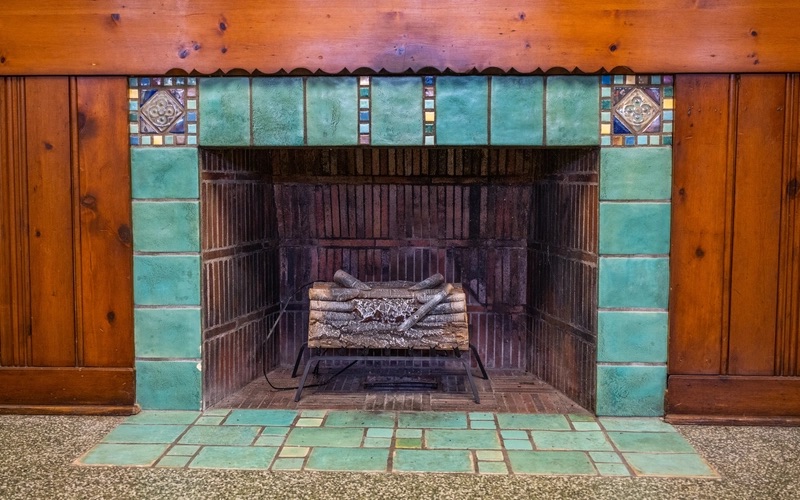
This Great Depression-era Pewabic pottery artwork crowns the fireplaces in Williams Hall. The piece was commissioned by Flint Mosaic and Terrazzo Inc., sculpted by Cliva Calder Morrison and glazed by Mary Chase Stratton.
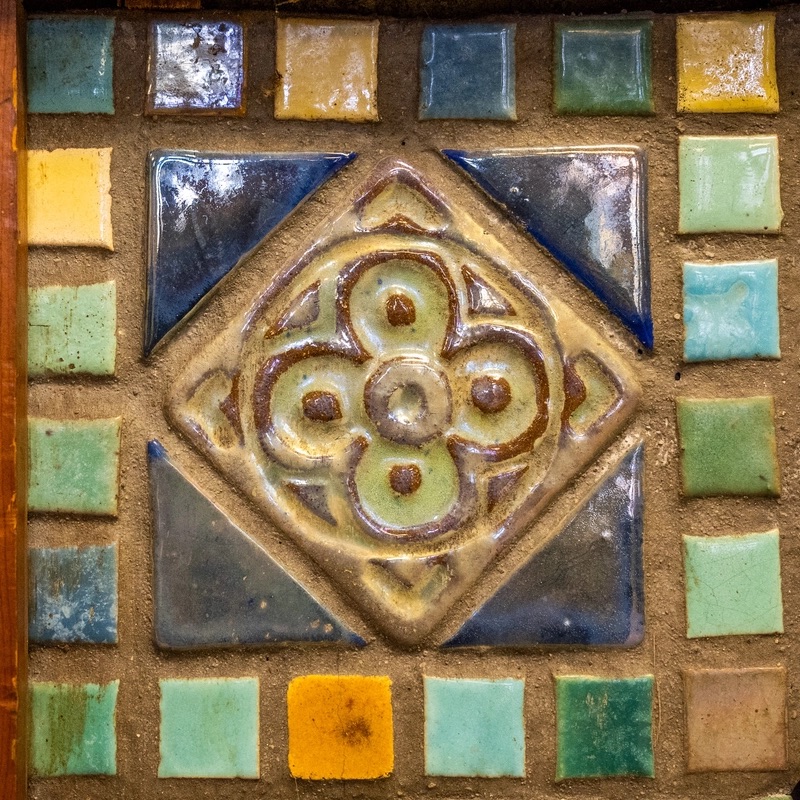
Closer inspection reveals a plethora of colorful glazes and lovingly crafted details on a corner tile.
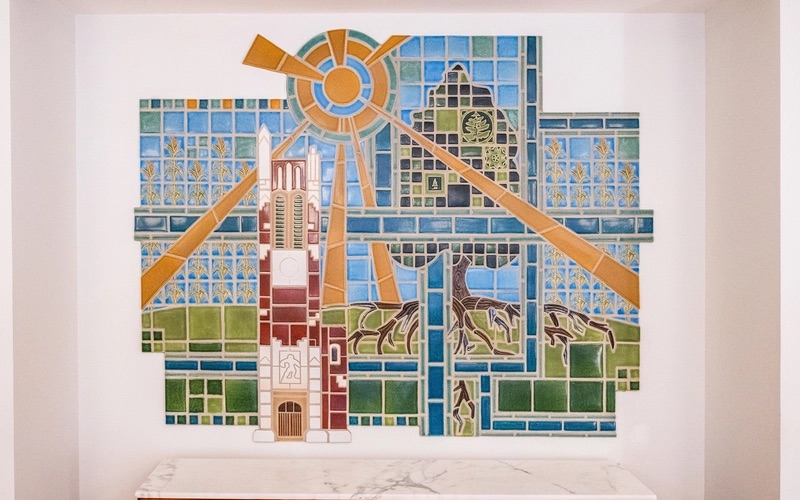
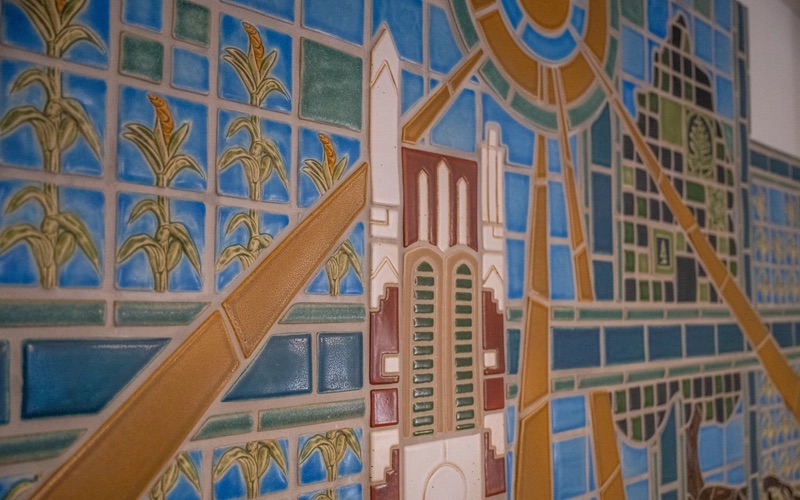
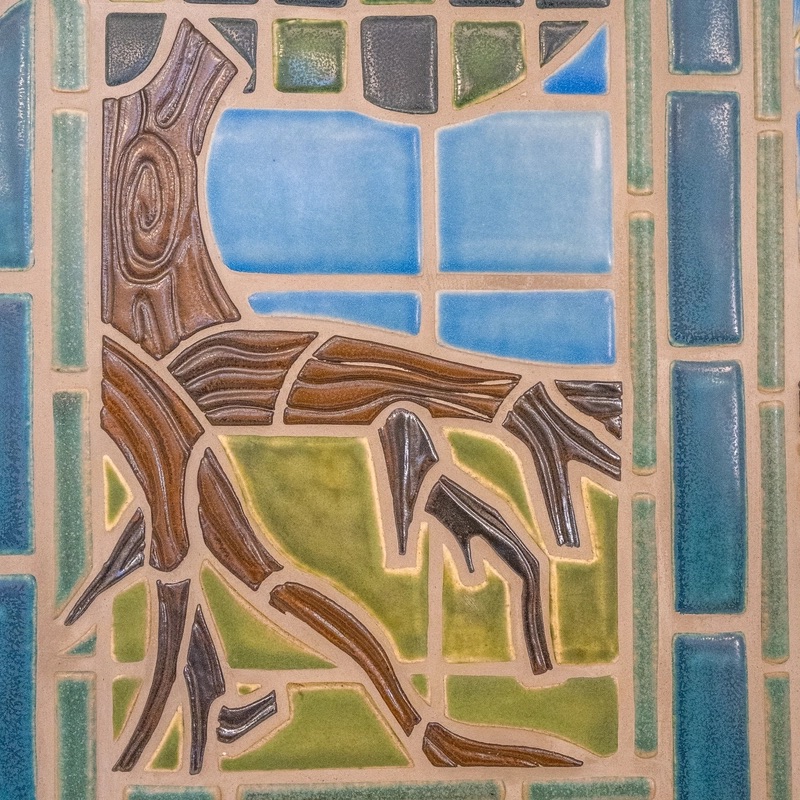
A Pewabic tile mural depicting the sun shining brightly above Beaumont Tower is located in Cowles House. One of the oldest buildings on campus, the house is a site for important university receptions and social functions and is still the official presidential residence.
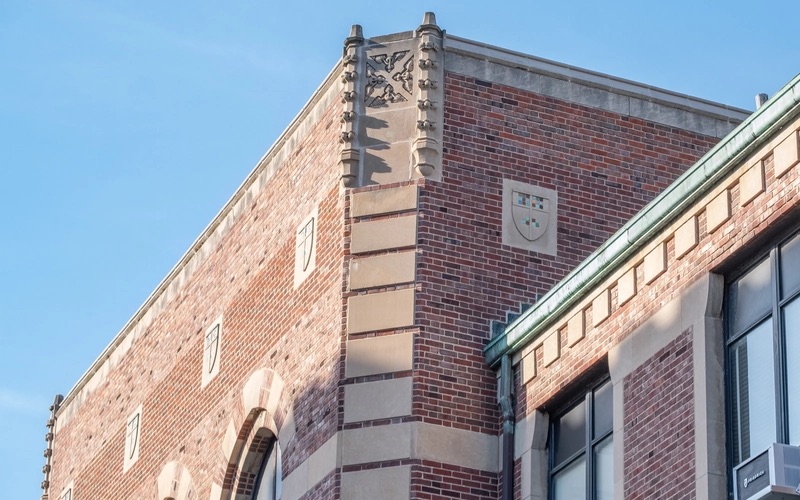
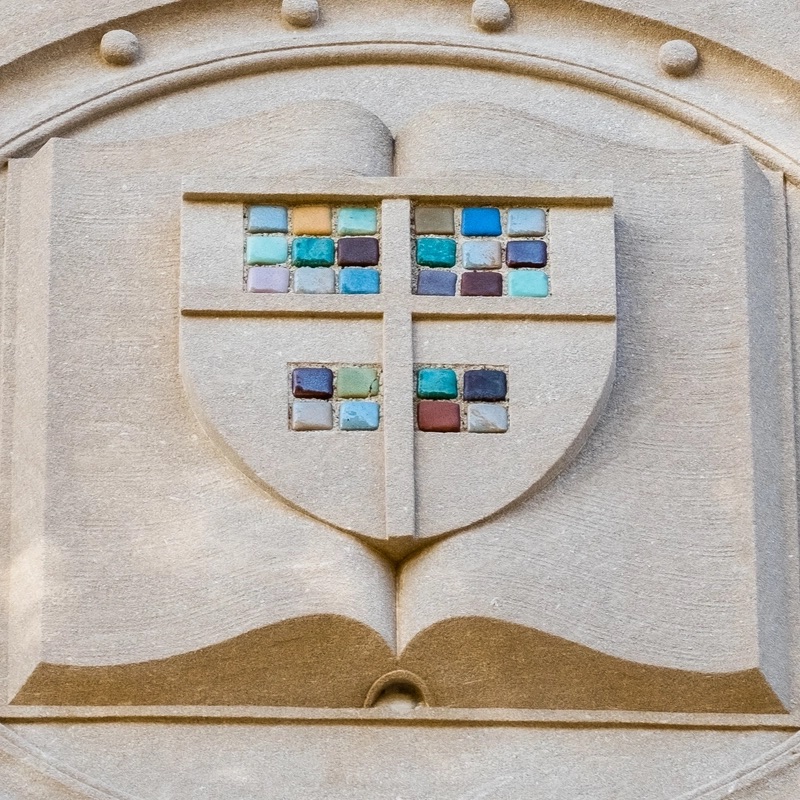
A stone shield with Pewabic tile installed can be seen on Kedzie Hall.
By: Maggie Carstensen, originally published by MSUToday.

 New sculpture unveiled at Multicultural Center honors student advocacy, cultural unity
 MSU Professor Brings America’s First Composer to Life in October Musical Performance
 Education Abroad in Greece Inspires Students’ ‘Lasting Impressions’ Exhibition