
As the United States continues to celebrate the 250th anniversary of its founding, David Stowe, Professor of Religious Studies and Adjunct Professor of History at Michigan State University, is helping audiences rediscover a figure often overlooked in the story of the American Revolution: composer, teacher, writer, and patriot William Billings.
On Sunday, Oct. 4, the public is invited to experience “The Billings Pendulum 250: The Mad Wordsmith and the Musical Wrecking Ball Heard ‘Round Revolutionary America,” a musical program exploring the life and legacy of the man widely considered as America’s first significant composer. The free performance will take place at 4 p.m. at The Peoples Church, 200 W. Grand River Ave., East Lansing. The event is coordinated by Dr. Stowe.

For years, Stowe has researched Billings and the role his music played during the Revolutionary era. His scholarship examines how Billings’ choral works and “liberty songs” helped foster a distinctly American identity during the fight for independence. More recently, Stowe completed a historical novel about Billings, published serially through Substack.
The idea for the October performance grew out of Stowe’s collaboration with C. Leonard Raybon, Associate Professor of Music at Tulane University, who founded and produces the Sacred Nine Project, an initiative dedicated to exploring early American music and history. Their shared interest in Billings led to the creation of a program that tells the composer’s remarkable story through music, narration, and historical interpretation.
“It’s a way to introduce audiences to an unsung hero of American music,” Stowe said.
Born in colonial Boston, Billings lived through the American Revolution and moved in circles connected to some of the era’s most recognizable patriots. A friend of Samuel Adams and a contemporary of Paul Revere, Billings never served on the battlefield, but his music became part of the cultural soundtrack of the Revolutionary period.
The Oct. 4 program brings that history to life through a mix of Billings’ original compositions and newly composed works inspired by his life and legacy. According to Stowe, the performance is designed to show the many dimensions of Billings’ career, not only as a composer, but also as an editor, writer, singing master, leather tanner, and self-made musician.
The subtitle, “The Mad Wordsmith and the Musical Wrecking Ball,” reflects Billings’ larger-than-life personality.
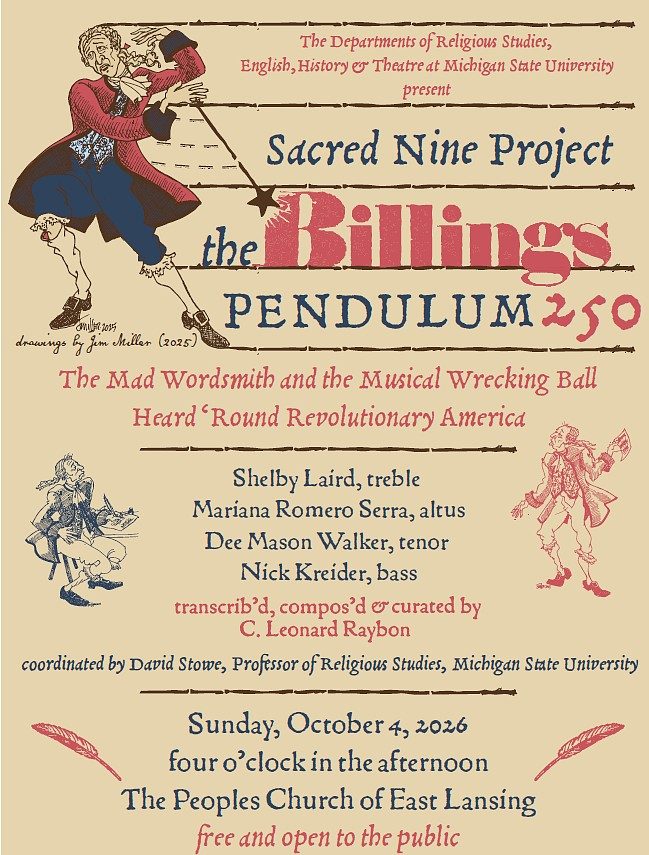
“He was a true American original,” Stowe said. “He was self-taught, wrote in an outspoken, often unconventional style, and had very strong ideas about how music should be composed and taught.”
For Stowe, the most exciting part is introducing audiences to an often-overlooked figure whose influence on American music far outweighs his name recognition today.
“People will learn about his life and then hear the music itself,” Stowe said. “He was an eyewitness to one of the most formative periods in American history, and he had a genuine gift for composing melodies that have endured for centuries.”
Stowe suspects Billings would be both impressed and honored by the performance, especially since he died without knowing whether his music would endure. More than 200 years later, audiences are still singing the works of a composer who helped shape America’s musical identity.
To learn more about William Billings:
By Kelly Smith, originally published by the Department of History in the College of Social Science.

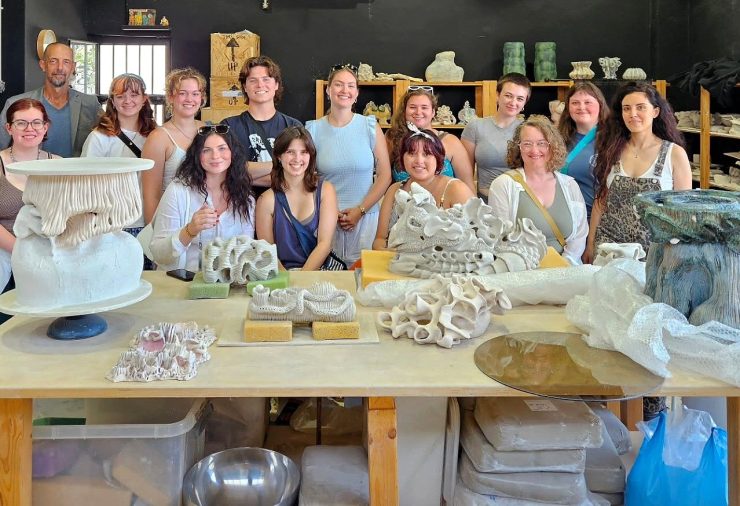 Education Abroad in Greece Inspires Students’ ‘Lasting Impressions’ Exhibition
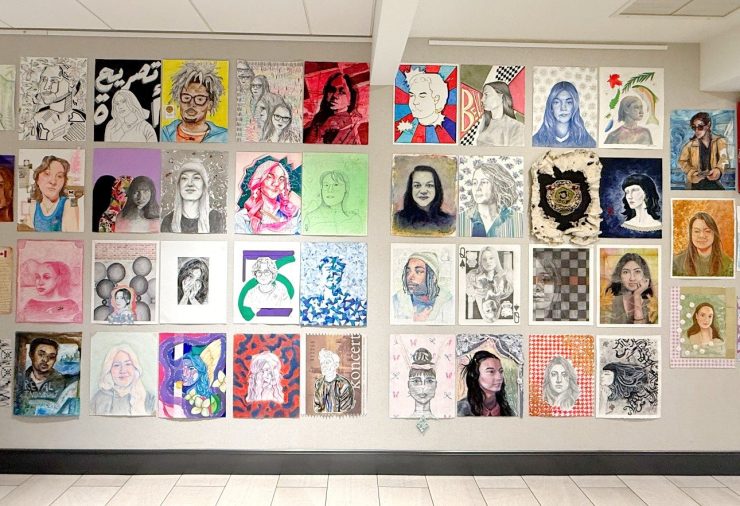 Cross-Border Art Project by MSU and Canadian Students Reaches New Audience at ArtPrize 2026
 Music Education Alum Has Major Impact in First Full-time Position